Introduction
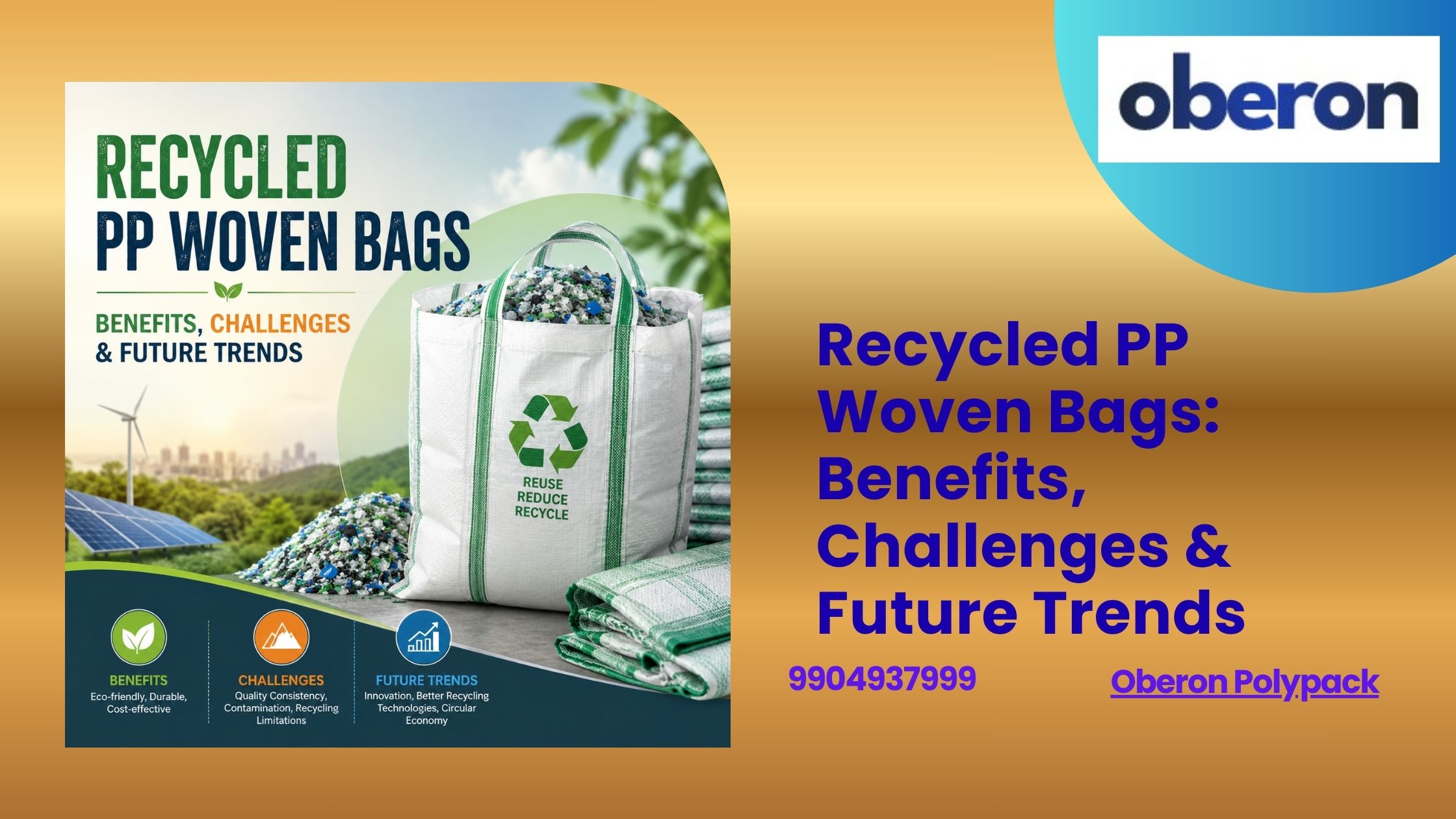
As businesses around the world face increasing pressure to reduce environmental impact, packaging choices have become more important than ever. Industries ranging from agriculture and food processing to chemicals and construction are actively seeking sustainable alternatives that balance performance, cost, and environmental responsibility. This shift has led to growing interest in recycled PP woven bags, a packaging solution that combines durability with improved sustainability.
Many manufacturers and exporters are now exploring ways to incorporate recycled materials into their packaging systems while maintaining quality standards. Businesses looking to stay ahead of industry developments can also explore packaging insights and innovations through the Oberon Polypack.
Recycled polypropylene packaging is rapidly becoming part of the broader movement toward circular economy practices and sustainable packaging solutions worldwide.
What Are Recycled PP Woven Bags and Why Are They Important?
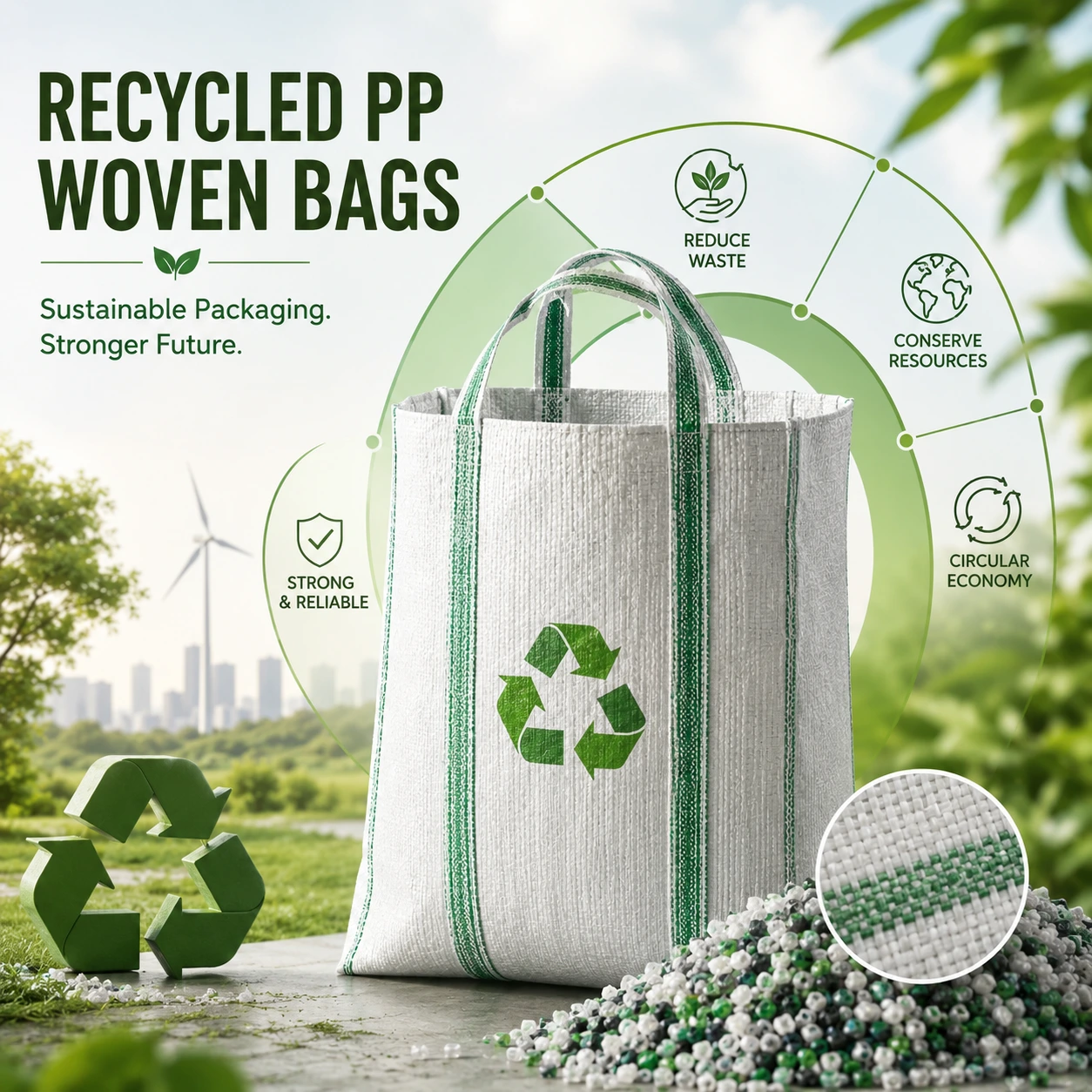
Recycled PP woven bags are industrial packaging bags manufactured using recycled polypropylene materials instead of relying entirely on virgin plastic resin. These bags help reduce plastic waste, conserve natural resources, and support circular economy initiatives while maintaining the durability and strength required for industrial packaging.
Today, recycled PP woven bags are widely used across agriculture, construction, food processing, chemicals, and export industries because they provide a practical balance between sustainability and performance.
These recycled polypropylene woven bags may be produced using post-industrial or post-consumer recycled materials that are processed, cleaned, re-extruded, and woven into strong packaging fabric before being converted into finished bags.
The core purpose of these bags is to reduce reliance on virgin plastic while extending the lifecycle of polypropylene materials that would otherwise end up in landfills.
Industries commonly using recycled polypropylene woven bags include:
- Agriculture
- Animal feed
- Fertilizers
- Chemicals
- Construction materials
- Food processing
- Industrial bulk packaging
Unlike traditional packaging materials, recycled woven bags contribute to resource conservation while still providing the strength and flexibility required for demanding industrial applications.
Why Demand for Sustainable Packaging Is Growing
Sustainability is no longer a niche concern. Governments, corporations, and consumers increasingly expect environmentally responsible packaging practices.
Several factors are driving this trend:
Environmental Regulations
Countries across Europe, North America, Asia-Pacific, and the Middle East are introducing stricter regulations regarding plastic waste management and recycling targets. Businesses are being encouraged to adopt recyclable and reusable packaging materials.
Consumer Awareness
Modern consumers are more environmentally conscious than ever. Many purchasing decisions are influenced by sustainability commitments and eco-friendly packaging practices.
Corporate ESG Goals
Organizations worldwide are implementing Environmental, Social, and Governance (ESG) strategies. Sustainable packaging solutions often play a key role in meeting these objectives.
According to the official United Nations Environment Programme (UNEP), reducing plastic waste and improving recycling systems are critical components of achieving global sustainability goals.
Key Benefits of Recycled PP Woven Bags
Reduced Environmental Impact
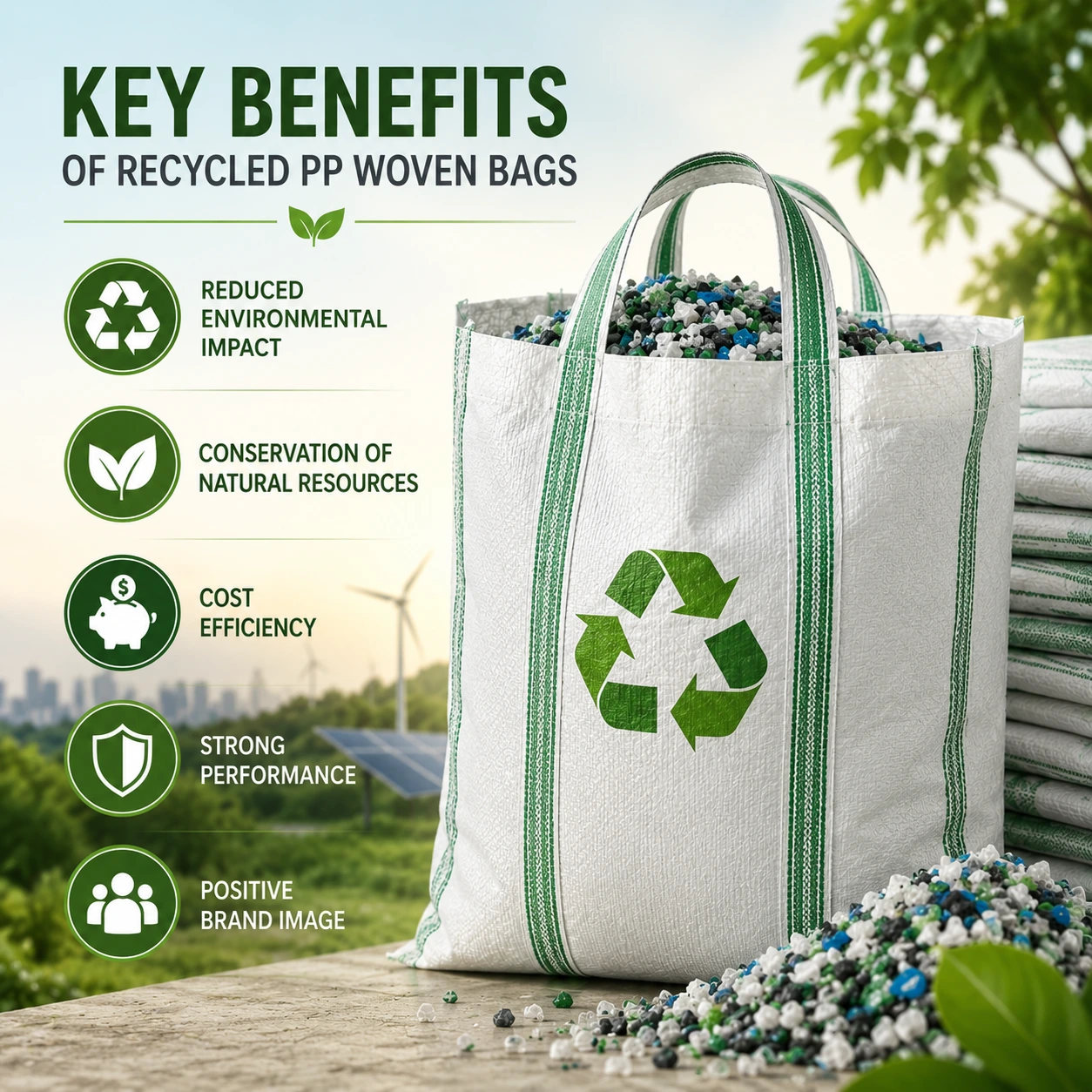
One of the most significant advantages of recycled woven bags is their ability to reduce plastic waste. By utilizing recycled polypropylene, manufacturers can divert materials from landfills and reduce the demand for virgin plastic production.
This contributes directly to lower carbon emissions and improved resource efficiency.
Conservation of Natural Resources
Producing virgin polypropylene requires fossil fuel resources and significant energy consumption. Using recycled materials helps conserve these valuable resources while supporting circular economy initiatives.
Businesses seeking environmentally friendly packaging bags often view resource conservation as a major sustainability benefit.
Cost Efficiency
In many markets, recycled materials can provide cost advantages compared to virgin raw materials, particularly when recycling infrastructure is well established.
While pricing varies by region and quality requirements, recycled packaging bags often help companies optimize packaging budgets without sacrificing functionality.
Strong Performance Characteristics
Modern recycling technologies have significantly improved material quality. Today, many recyclable PP woven bags offer excellent:
- Tensile strength
- Tear resistance
- Flexibility
- Load-bearing capacity
- Moisture resistance
This makes them suitable for a wide range of industrial and commercial applications.
Positive Brand Image
Businesses increasingly communicate sustainability commitments through packaging choices. Adopting eco friendly PP woven bags demonstrates environmental responsibility and can strengthen relationships with customers, distributors, and stakeholders.
Real-World Applications of Recycled PP Woven Bags
Across industries, businesses are increasingly adopting recycled PP woven bags to achieve sustainability targets without compromising packaging performance.
Agricultural suppliers use recycled polypropylene woven bags for fertilizers, animal feed, and grain packaging because they provide durability while helping reduce environmental impact.
In the construction sector, manufacturers package cement additives, minerals, and industrial powders using recycled packaging bags to align with growing sustainability requirements.
Many chemical and industrial product exporters are also switching to sustainable PP woven bags as part of their ESG and environmental responsibility initiatives.
For businesses seeking sustainable packaging solutions, recycled woven bags offer a practical way to reduce dependence on virgin plastic while maintaining product protection during storage and transportation.
As global demand for environmentally friendly packaging bags continues to grow, recycled PP woven bags are becoming an increasingly important component of modern packaging strategies.
Applications of Recycled Polypropylene Bags
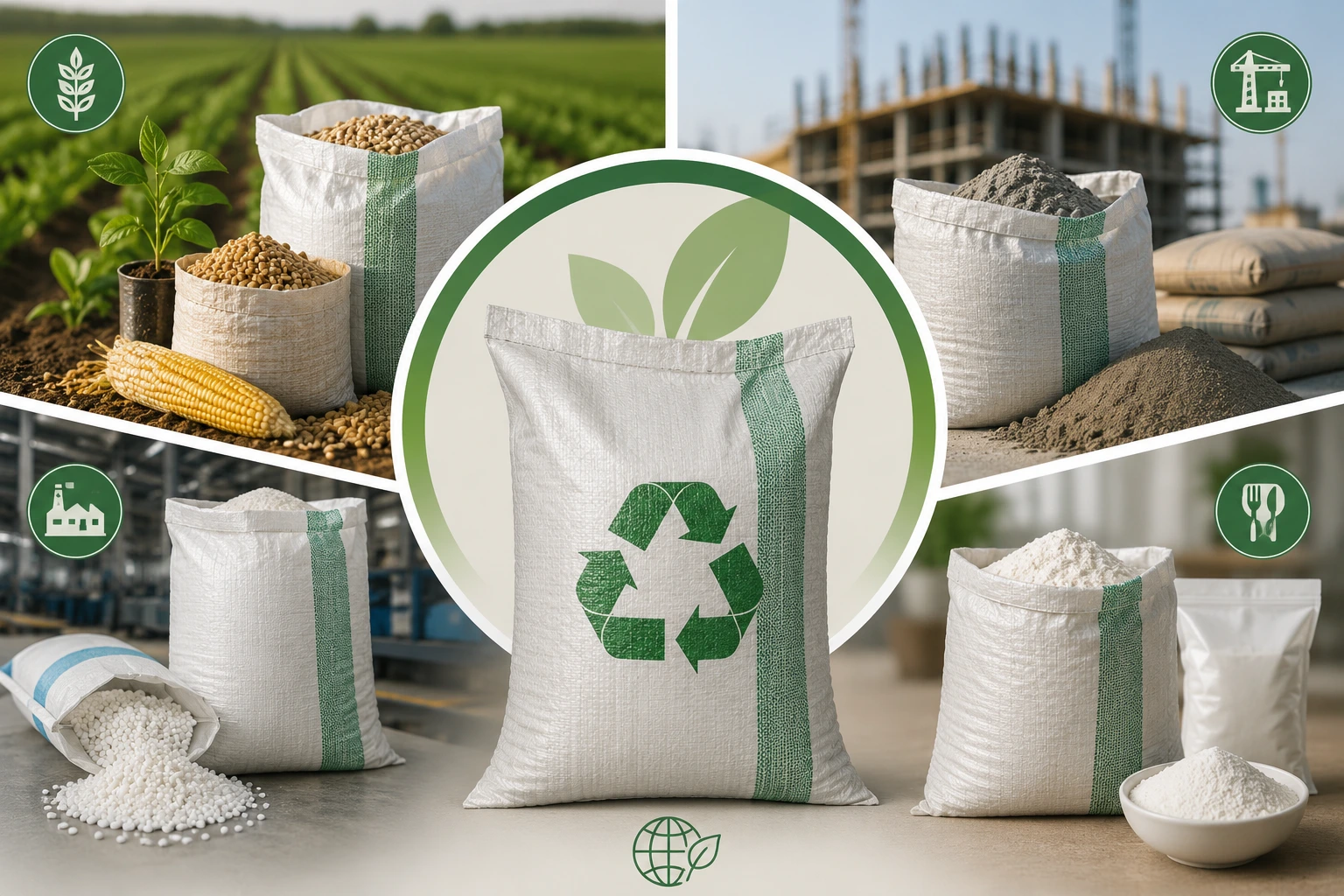
The versatility of recycled polypropylene bags allows them to serve multiple industries.
Agriculture Sector
Agricultural businesses use recycled packaging bags for:
- Seeds
- Animal feed
- Grains
- Fertilizers
- Crop protection products
The durability and lightweight characteristics make them practical for storage and transportation.
Construction Industry
Construction companies rely on woven packaging for products such as:
- Cement
- Sand
- Minerals
- Chemicals
- Building additives
Many manufacturers are now exploring sustainable alternatives that align with environmental commitments.
Industrial Packaging
Industrial suppliers often choose recycled plastic woven bags for packaging:
- Powders
- Resins
- Raw materials
- Bulk commodities
These bags provide reliable performance during transportation and storage.
Food Packaging Applications
Certain recycled-content packaging solutions may be used in secondary or non-direct food packaging applications, depending on regional regulations and compliance requirements.
Recycled PP Woven Bags vs Virgin PP Woven Bags
| Feature | Recycled PP Woven Bags | Virgin PP Woven Bags |
|---|---|---|
| Environmental Impact | Lower | Higher |
| Resource Consumption | Reduced | Higher |
| Carbon Footprint | Lower | Higher |
| Material Source | Recycled Plastic | New Plastic Resin |
| Sustainability Value | Excellent | Limited |
| Brand Perception | Positive | Neutral |
| Industrial Performance | Good to Excellent | Excellent |
While virgin materials may still be preferred for certain specialized applications, advancements in recycling technology continue narrowing the performance gap.
Challenges Facing Recycled Woven Bags
Despite their advantages, recycled packaging materials also face several challenges.
Raw Material Consistency
The quality of recycled feedstock can vary depending on collection and processing methods. Maintaining consistent product performance requires careful material selection and quality control.
Regulatory Compliance
Different countries maintain different regulations regarding recycled plastic content, food-contact applications, and packaging standards.
Manufacturers serving global markets must ensure compliance across multiple jurisdictions.
Perception Issues
Some buyers still associate recycled products with lower quality. Educating customers about advancements in recycling technology remains important for wider adoption.
Supply Chain Limitations
The availability of high-quality recycled polypropylene depends heavily on local recycling infrastructure and collection systems.
In regions with underdeveloped recycling networks, sourcing suitable materials can be challenging.
How Manufacturers Improve Quality in Recycled Packaging Bags
Leading manufacturers are investing heavily in technologies that improve the performance and reliability of recycled materials.
Advanced Sorting Systems
Modern recycling facilities use automated sorting technologies to separate plastics accurately and improve feedstock quality.
Improved Extrusion Technology
Advanced extrusion processes help maintain material consistency and mechanical strength.
Blended Material Formulations
Many manufacturers combine recycled and virgin materials strategically to optimize both sustainability and performance.
Strict Quality Testing
Quality control programs typically evaluate:
- Tensile strength
- Burst resistance
- Load capacity
- Moisture protection
- Dimensional accuracy
Businesses seeking dependable sustainable PP woven bags often prioritize suppliers with robust quality management systems.
How to Choose a Reliable Recycled PP Woven Bag Manufacturer
Selecting the right supplier is essential for ensuring consistent quality, sustainability compliance, and long-term packaging performance. While many companies offer recycled polypropylene bags, not all manufacturers maintain the same production standards or quality control processes.
When evaluating a supplier, businesses should consider manufacturing experience, recycling capabilities, quality certifications, and production capacity.
A reliable manufacturer should be able to provide customized recycled PP woven bags that meet specific packaging requirements while maintaining strength, durability, and sustainability standards.
Export-oriented businesses should also assess a supplier’s ability to meet international packaging regulations and delivery timelines. Additional factors such as custom printing options, UV resistance, moisture protection, and product testing procedures can significantly influence overall packaging performance.
Working with an experienced manufacturer helps businesses gain access to high-quality recycled packaging bags that support both operational requirements and environmental objectives.
Environmental Impact of Recycled PP Woven Bags
One of the primary reasons businesses are adopting recycled PP woven bags is their ability to reduce plastic waste and support more sustainable resource management. By incorporating recycled polypropylene materials into packaging production, manufacturers can reduce dependence on virgin plastic while extending the lifecycle of existing materials.
Compared with conventional packaging solutions, recycled PP woven bags contribute to circular economy initiatives by keeping valuable materials in use for longer periods. This approach helps conserve natural resources, reduce landfill waste, and support global sustainability objectives.
In addition to environmental benefits, recycled PP woven bags help businesses align with growing regulatory requirements and customer expectations for environmentally responsible packaging.
As industries continue prioritizing sustainable packaging solutions, the adoption of recycled packaging materials is expected to play an increasingly important role in reducing overall environmental impact worldwide.
Future Trends Shaping Recycled PP Woven Bags
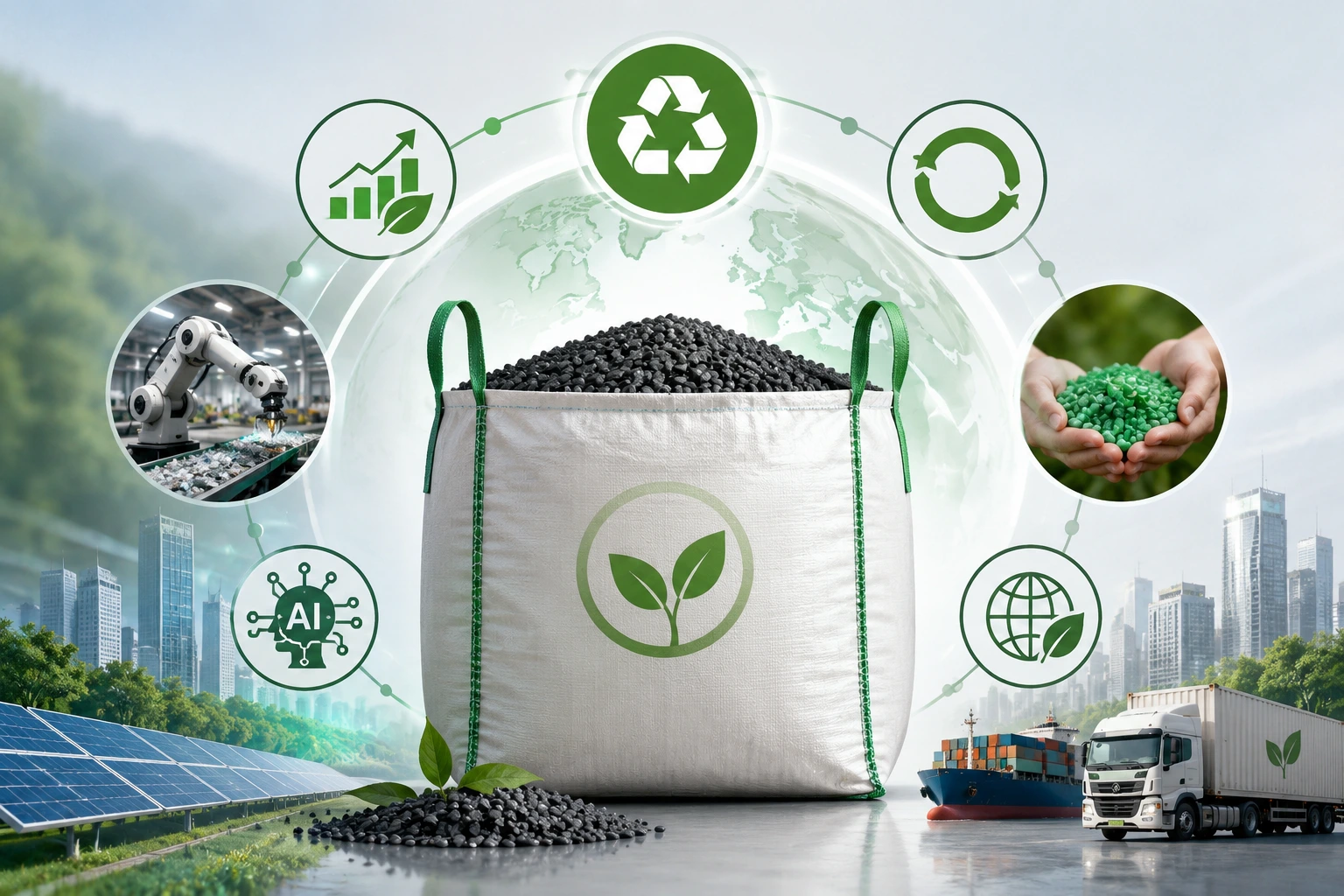
The future of recycled PP woven bags is being shaped by innovation, regulation, sustainability goals, and growing global market demand.
Increased Recycled Content
Manufacturers are expected to increase recycled content percentages while maintaining performance standards.
As technology improves, higher levels of recycled material will become commercially viable.
Circular Economy Integration
More businesses are adopting circular economy strategies where packaging materials are collected, recycled, and reintroduced into production cycles.
This approach reduces waste while maximizing resource efficiency.
Smart Recycling Technologies
Artificial intelligence, automation, and advanced material recovery systems are improving recycling efficiency worldwide.
These technologies help produce higher-quality recycled polypropylene materials suitable for demanding applications.
Global Sustainability Commitments
Governments and multinational corporations continue setting ambitious sustainability targets.
This trend is expected to increase demand for environmentally friendly packaging bags and other recyclable packaging solutions.
Growth of Sustainable Export Packaging
Export-oriented industries increasingly require packaging that meets sustainability requirements in international markets.
As environmental regulations become stricter, demand for recycled packaging bags is likely to expand significantly.
How Businesses Can Transition to Sustainable Packaging Solutions
Companies interested in adopting recycled PP woven bags should approach the transition strategically.
Start by evaluating current packaging requirements and identifying areas where recycled-content materials can meet operational needs.
Next, work closely with experienced manufacturers capable of providing consistent quality and technical support. Reviewing performance specifications, certifications, and sustainability credentials helps ensure successful implementation.
Finally, communicate sustainability achievements to customers and stakeholders. Packaging improvements can become a valuable component of broader environmental initiatives and brand positioning efforts.
Conclusion
The packaging industry is undergoing a major transformation as businesses seek more sustainable alternatives to traditional materials. Recycled PP woven bags offer a practical solution by combining durability, cost efficiency, and environmental responsibility.
From reducing plastic waste and conserving resources to supporting circular economy initiatives, these bags are becoming an increasingly important component of modern sustainable packaging strategies. Although challenges such as material consistency and regulatory compliance remain, technological advancements continue to improve performance and reliability.
As global demand for sustainable packaging solutions grows, businesses that adopt environmentally responsible packaging practices will be better positioned for long-term success. If you are looking for innovative, high-quality packaging solutions that align with modern sustainability goals, contact Oberon Polypack today. Explore more industry insights and packaging innovations through the Oberon Polypack blog to stay ahead of future packaging trends.
FAQs
1. Are recycled PP woven bags strong enough for industrial use?
Yes. Modern recycled PP woven bags are designed to provide excellent strength, durability, and load-bearing performance for many industrial applications. Advanced manufacturing technologies help ensure reliable product quality.
2. Can recycled polypropylene woven bags be recycled again?
In many cases, yes. Polypropylene is a recyclable material, and properly collected woven bags can often be processed and reintroduced into the recycling stream depending on local recycling infrastructure.
3. Are recycled woven bags more environmentally friendly than virgin plastic bags?
Generally, yes. Recycled woven bags reduce demand for virgin plastic production, conserve resources, and help divert waste from landfills, contributing to improved environmental sustainability.
4. Which industries commonly use recycled packaging bags?
Agriculture, construction, chemicals, industrial manufacturing, animal feed, and bulk commodity sectors commonly use recycled packaging bags due to their durability and cost-effectiveness.
5. What is driving the growth of sustainable PP woven bags?
Growing environmental regulations, consumer awareness, corporate sustainability initiatives, and advances in recycling technology are all contributing to increased demand for sustainable PP woven bags worldwide.